Moussaka Casserole
This preparation utilizes structural layering and moisture management to execute a high-prestige Mediterranean classic. By applying osmotic extraction to the eggplant and building a stable lipid emulsion in the béchamel, we achieve a dense, flavorful casserole that maintains its architectural integrity during thermal exposure.
As the seasonal transition demands a shift toward more energy-dense and thermally complex fare, the Moussaka stands as a pillar of the Estate Library. This dish is an exercise in protein-driven flavor architecture, substituting traditional pasta layers for the delicate, roasted skins of eggplant. The use of ground lamb provides a gamier, more sophisticated fat profile than standard beef, offering a rich canvas for the aromatic notes of cinnamon and oregano.
The success of a high-end casserole lies in the preparation of its botanical components. Eggplant, by nature, is high in moisture and can often compromise the structural hydration of a dish if not properly treated. In this technical guide, we prioritize the extraction of excess fluids to ensure that the final product remains cohesive and concentrated, rather than diluted by vegetable runoff during the bake.
The Mechanics of Osmotic Extraction
The first stage of this architecture involves the mechanical and chemical preparation of the eggplant. By applying salt to the sliced vegetable, we initiate osmotic extraction, drawing out the bitter liquid and firming the cellular structure. This is followed by a roast to achieve a light Maillard reaction on the surface, ensuring the eggplant contributes a smoky sweetness to the overall ragù composition.
The crowning element of this Moussaka is the béchamel emulsion. This is not a simple white sauce; it is a fortified cream transition achieved through precise starch gelatinization. By integrating ricotta and Parmesan into the roux-based sauce, we create a dense, protective barrier that browns beautifully under high heat. This layer seals in the moisture of the lamb ragù while providing a velvety texture that contrasts with the firm roasted vegetables below.
Moussaka Casserole
Ingredients
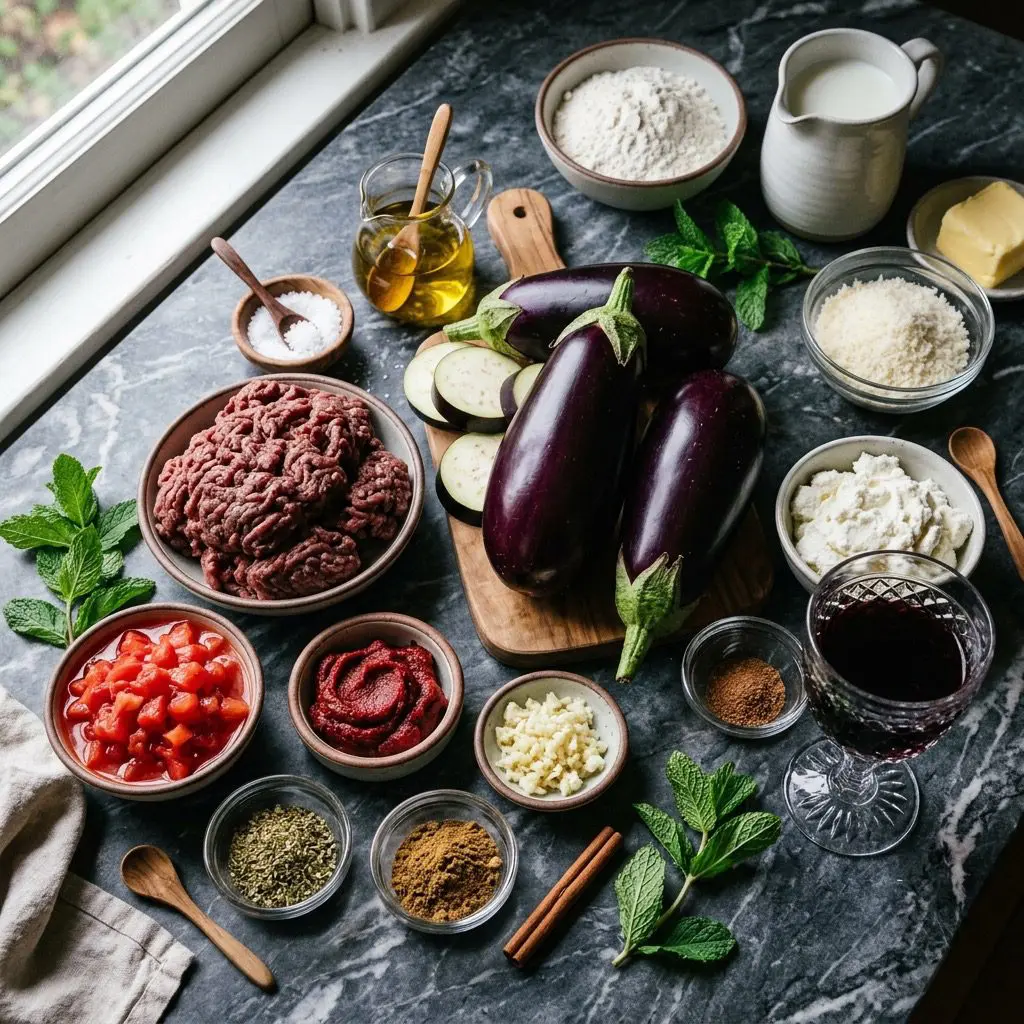
- 3 large eggplants peeled and sliced into ½-inch thick lengths
- 1 teaspoon kosher salt
- 1 teaspoon coarse black pepper
- ½ cup olive oil
- 2 large cloves garlic minced
- 1 teaspoon dried oregano
- 1 teaspoon dried cumin
- 2 tablespoons olive oil
- 1 large yellow onion diced
- 2 large carrots diced
- 2 medium cloves garlic minced
- 2 pounds lean ground lamb
- 1 cup dry red wine
- 1 16-ounce can diced tomatoes
- 2 tablespoons tomato paste
- 1 teaspoon dried oregano
- 1 cinnamon stick
- 3 tablespoons unsalted butter
- 3 tablespoons all-purpose flour
- 2 cups whole milk
- 1 cup ricotta cheese
- 4 ounces Parmesan cheese finely grated
- ½ teaspoon ground nutmeg
- 2 tablespoons fresh mint chopped (for garnish)
Method
- Preheat the oven to 425°F. Season the eggplant slices with salt and pepper and place in a colander for 30 minutes to facilitate osmotic extraction of excess moisture.
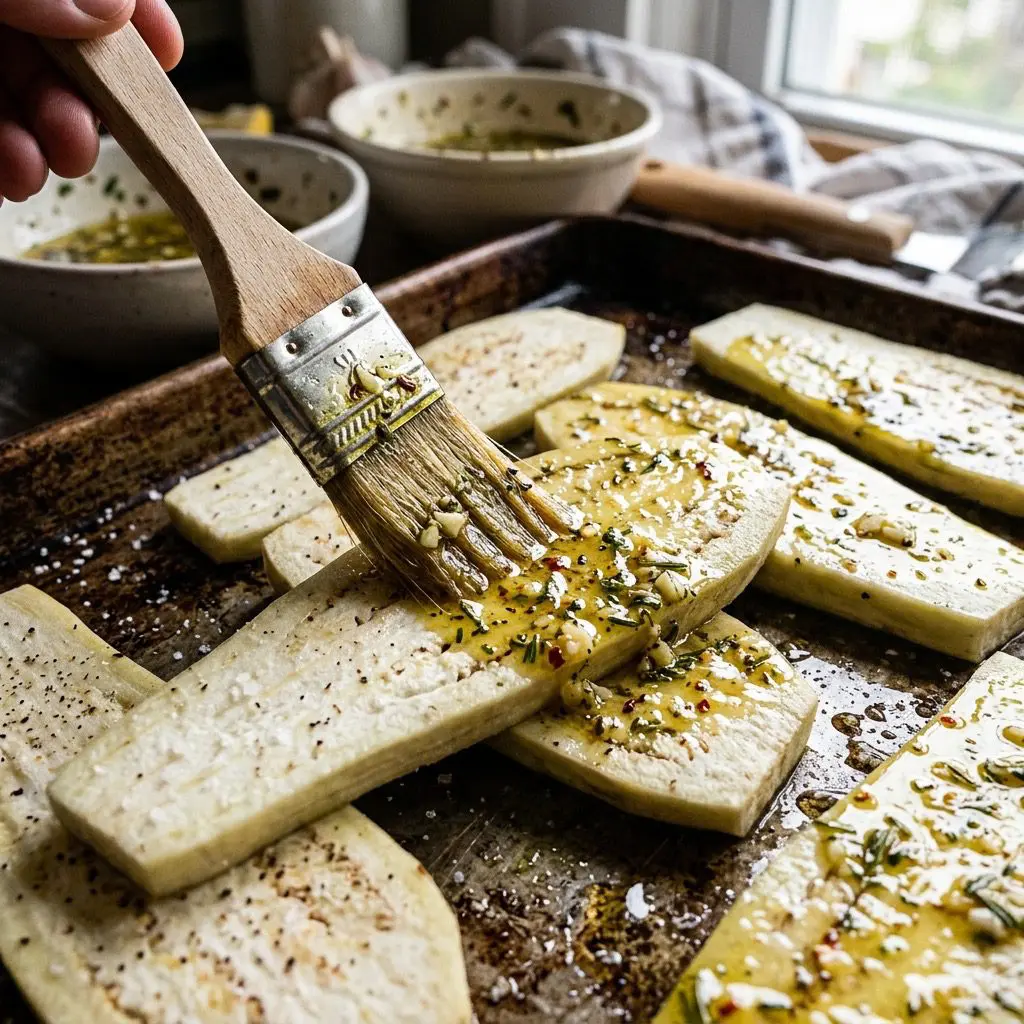
- Whisk together the olive oil, minced garlic, oregano, and cumin. Pat the eggplant dry, then brush both sides with the seasoned oil.
- Arrange slices on a baking sheet and roast for 30 minutes until tender and golden. Reduce oven temperature to 350°F.
- Heat 2 tablespoons of olive oil in a large skillet. Sauté the onions and carrots until soft, then add the garlic for an additional 2 minutes of thermal exposure.
- Add the lamb, breaking it up to maximize surface area for the Maillard reaction. Cook until thoroughly browned.
- Stir in the red wine to deglaze, followed by the tomatoes, tomato paste, oregano, and the cinnamon stick.
- Simmer for 15 minutes to allow for flavor integration and reduction. Remove the cinnamon stick before assembly.
- In a deep pot over medium-high heat, melt the butter and whisk in the flour to create a bubbling roux. Cook for 2 to 4 minutes.
- Gradually pour in the milk, whisking constantly to achieve starch gelatinization and a thickened state.
- Fold in the ricotta and Parmesan cheeses until the emulsion is smooth. Season with nutmeg, salt, and pepper.
- In a 9x13-inch baking dish, layer eggplant slices followed by half of the lamb ragù. Repeat the layers, finishing with a final layer of eggplant.
- Spread the béchamel emulsion evenly across the top.
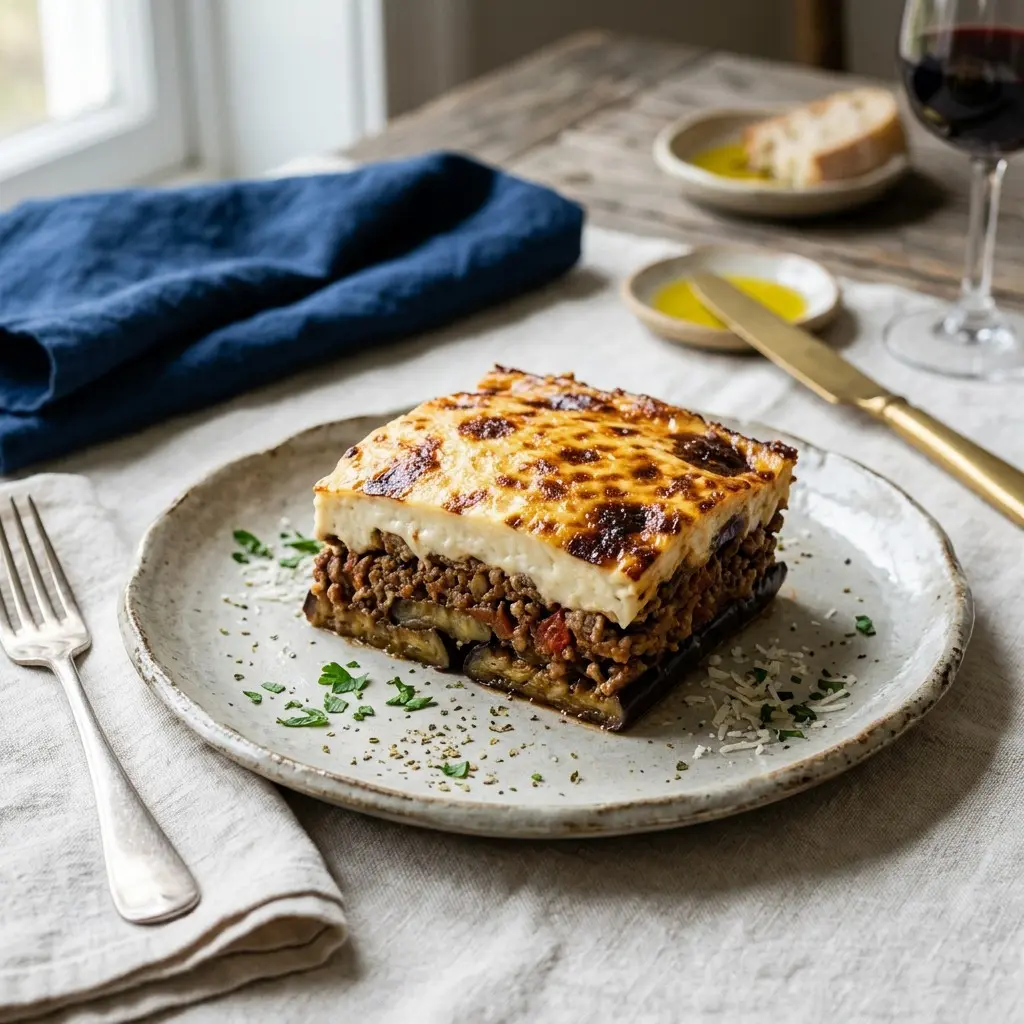
- Bake for 30 to 40 minutes until the casserole is bubbly and the surface achieves a deep golden crust.
- Allow the dish to rest for 15 minutes to stabilize the internal structure before garnishing with fresh mint and serving.
The Heart of the Table
A well-executed casserole is a testament to the host’s ability to plan for communal comfort without sacrificing culinary prestige. The act of sharing a labor-intensive, layered dish fosters a unique sense of psychological security among guests. When the table is anchored by a meal that requires such deliberate thermal execution, the resulting environment is one of deep gratitude and sustained connection, nourishing both the body and the communal spirit.
The Art of the Host
- 9x13-inch stoneware baking dish
- Professional stainless steel emulsion whisk
- Stainless steel offset spatula
- Heavy-duty colander for extraction
- Cast iron or heavy stainless skillet
- Professional-grade pastry brush
Neighborly Grace
- THE PRESENTATION: Slice into clean squares after the resting period to maintain the visual definition of the lamb and eggplant layers.
- THE POUR: A full-bodied, earth-toned Greek Xinomavro or a bold Syrah will complement the richness of the lamb and the warmth of the cinnamon.
- THE VIBE: A firelit dining room with low, warm lighting, emphasizing the transition into the comfort of the cooler seasons.