
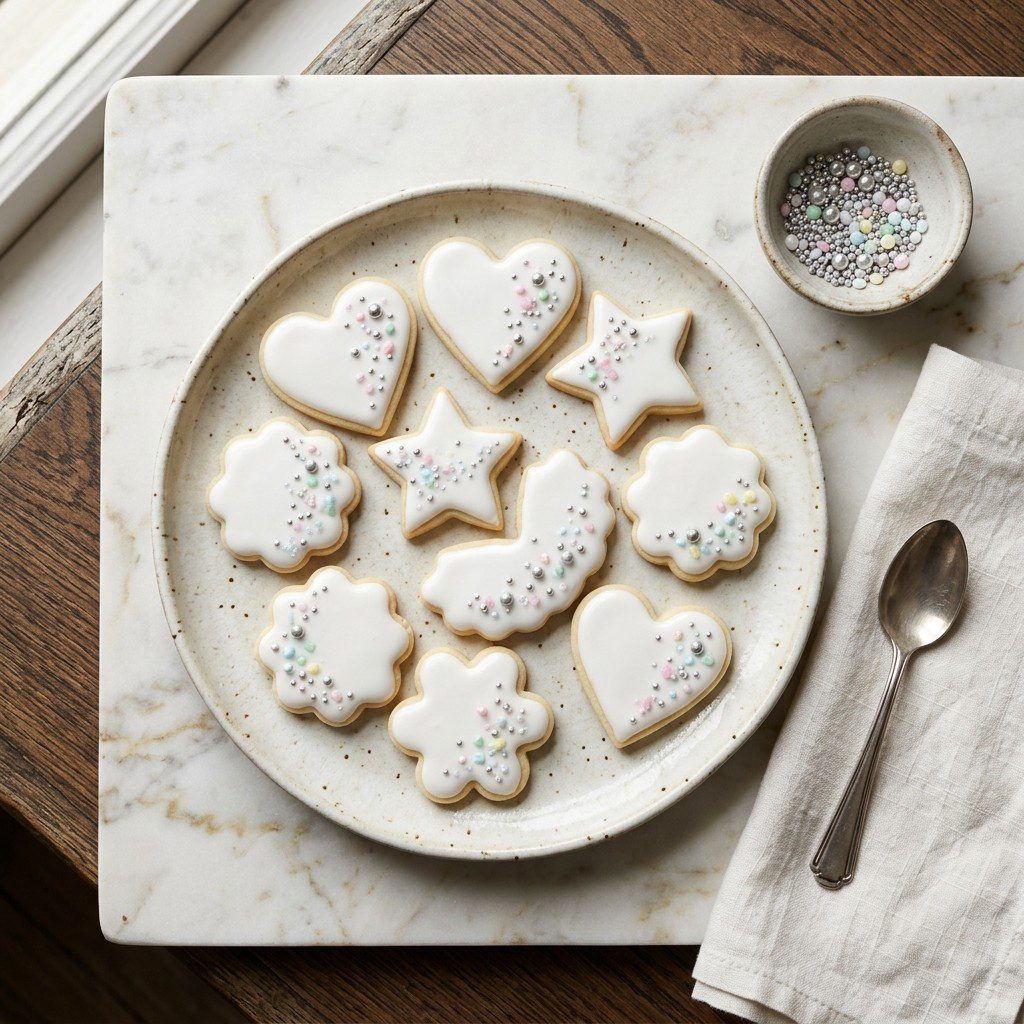
Butter Sugar Cookies
Bake classic butter sugar cookies with a tender crumb and a simple glaze — the timeless, decorate-them-however-you-like cookie that belongs to every holiday, every child, and every cookie tin worth its name.
Every baker needs a great butter sugar cookie in their repertoire, and this is that cookie — buttery, tender, and just sweet enough, with a simple glaze that takes beautifully to any decoration you please. It is the cookie of childhood kitchens and holiday trays, the one that gets rolled and cut and sprinkled by little hands, the reliable classic that never once goes out of style. Master it, and you can dress it up for any occasion the calendar brings.
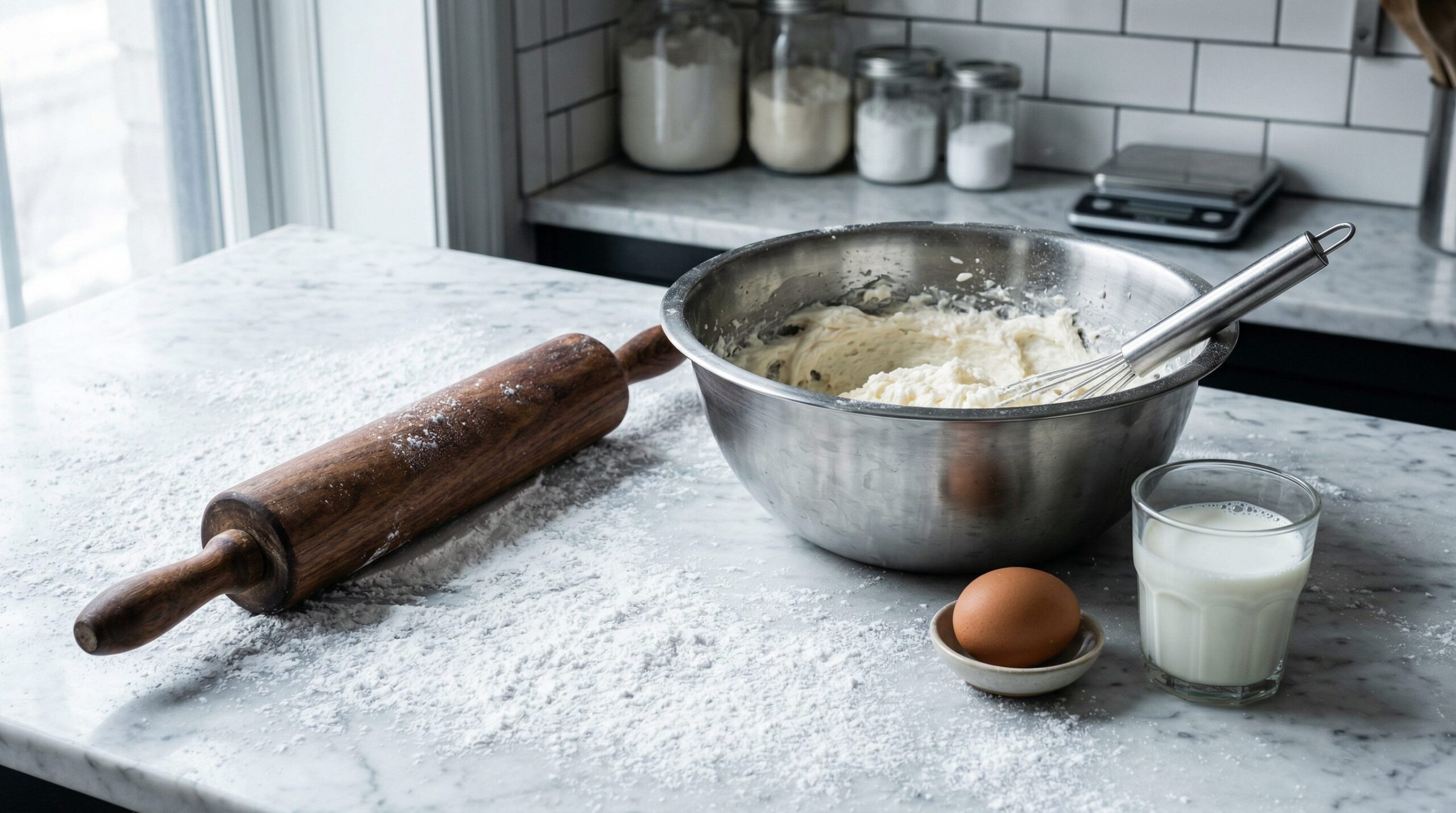
The Tender Butter Dough
Cream the butter and sugar until light, then mix in the dry ingredients just until the dough comes together so the cookies stay tender. Chilling the dough before rolling makes it far easier to handle and helps the cookies hold their shape — a little patience here rewards you with crisp, clean edges.
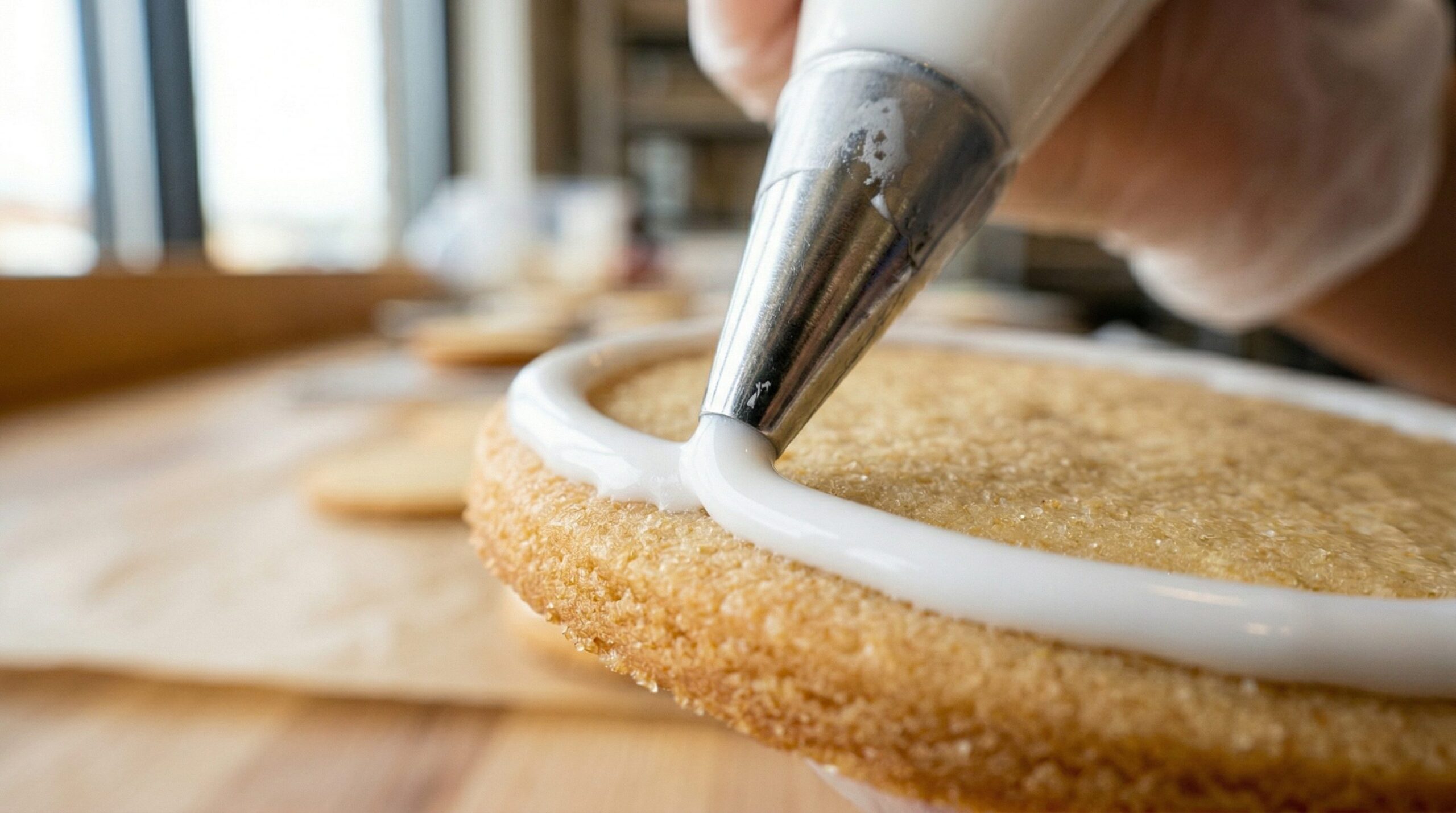
Rolling, Cutting, and Glazing
Roll the chilled dough, cut your shapes, and bake them just until the edges barely turn golden so they stay soft. Once cool, finish them with the simple glaze and whatever sprinkles or colors the occasion calls for — this is the cookie that invites decoration and delights in it.
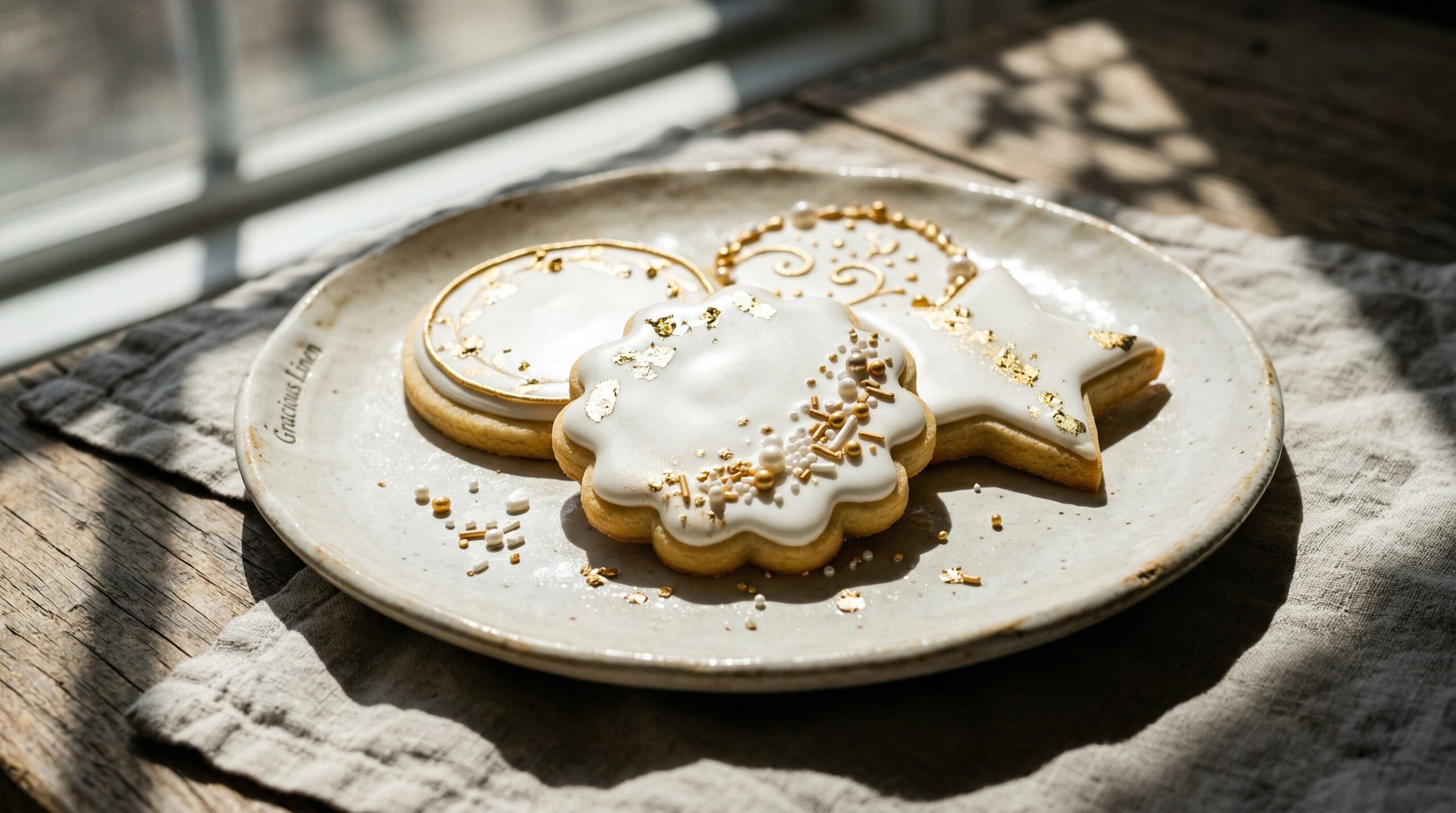
Estate Butter Sugar Cookies
Ingredients
Method
- In a medium bowl, vigorously whisk together the all-purpose flour, baking powder, and kosher salt to ensure the leavening agents are perfectly distributed. Set aside.
- In a large ceramic or stainless steel mixing bowl, cream the softened butter and granulated sugar together by hand (or with a mixer) until the mixture becomes highly pale, aerated, and fluffy.
- Stream the beaten egg and the whole milk into the butter mixture, mixing until completely unified and smooth.
- Gradually fold the dry flour mixture into the wet ingredients in batches. Mix only until the dough just comes together to prevent overworking the gluten, which leads to tough, shrinking cookies.
- Divide the unified dough tightly into two equal halves. Wrap each half securely in heavy plastic wrap.
- Refrigerate the wrapped dough for a minimum of 2 hours. This critical chilling phase solidifies the butter and relaxes the gluten, ensuring the cookies maintain their sharp, clean edges during the bake.
- Preheat the oven to 375°F. Line heavy metal baking sheets with parchment paper or silicone baking mats.
- Generously dust a clean, cool work surface (preferably marble) and a heavy wooden rolling pin with confectioners’ sugar (which prevents sticking without toughening the dough like excess flour does).
- Remove one disk of dough from the refrigerator. Roll the dough evenly to a strict, uniform thickness of just under 1-inch, rotating the dough frequently to ensure it does not stick.
- Use sharp metal cookie cutters to punch out the desired shapes. Transfer the cutouts to the prepared baking sheets, leaving space between each.
- Bake in the preheated oven for 9 to 10 minutes, until the edges are just barely turning a pale golden brown.
- Allow the cookies to cool on the baking sheet for 2 minutes before transferring them to a wire rack to cool completely to room temperature.
- Once fully cooled and firmly set, decorate the cookies by outlining and flooding them with a smooth icing. Garnish immediately with elegant sprinkles before the icing hardens.
The Heart of the Table
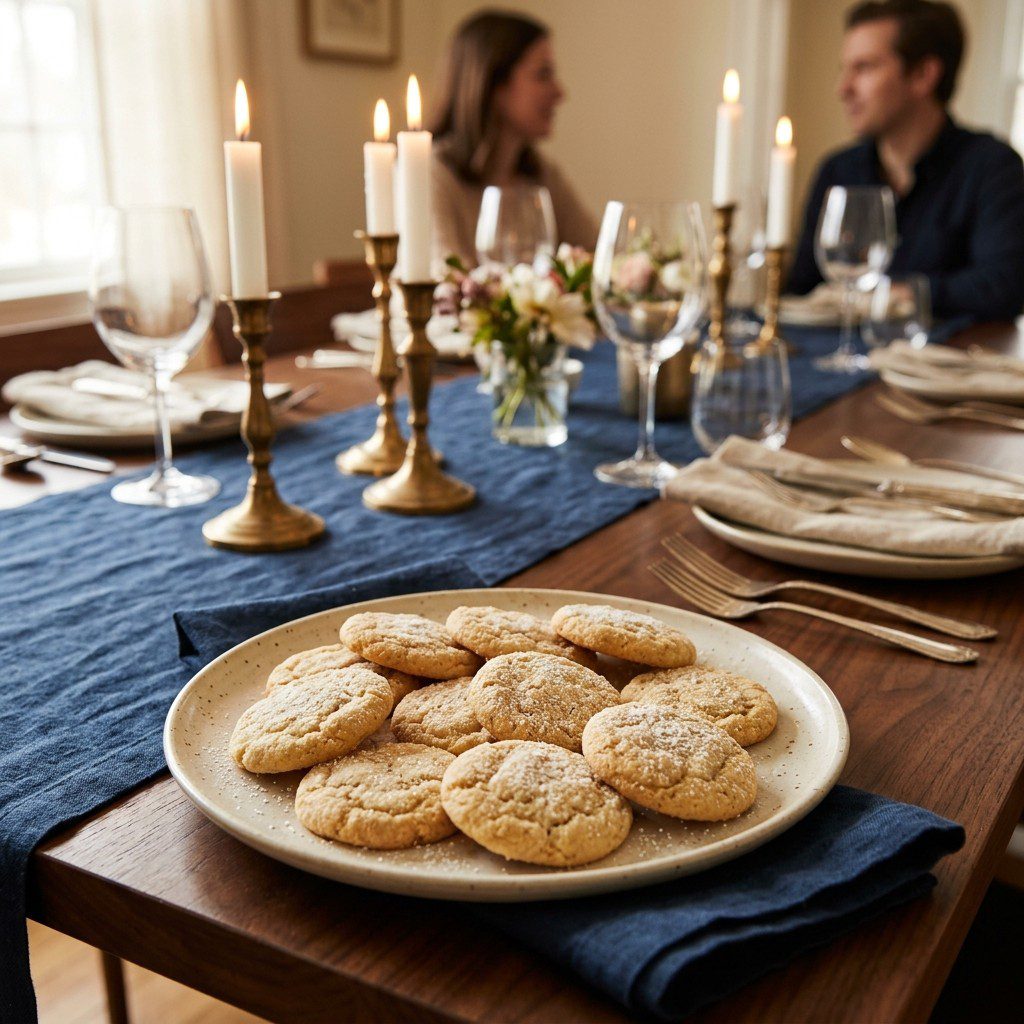
A batch of sugar cookies is joy you can pass around — they belong to celebrations, to children, to the simple happiness of a full cookie tin. There is a generous, welcoming warmth in baking them, especially the kind meant to be decorated together, turning the kitchen into a place of small, sweet gatherings.
The Art of the Host
Chill the dough for clean shapes, and let the cookies cool completely before glazing so the finish sets smooth. Let decorated cookies dry fully before stacking, and store them between sheets of parchment so their pretty tops stay intact.
Neighborly Grace
- The Preparation: Both the dough and the baked cookies keep well — chill the dough for a day or freeze it, and store finished cookies in a tin for up to a week. They are a wonderful make-ahead for any celebration.
- The Pour: A cold glass of milk is the timeless partner to a sugar cookie, while a cup of tea suits the grown-ups; for a festive non-alcoholic touch, a mug of warm spiced cider makes them feel like the holidays.
- The Vibe: Pile them on a platter or tuck them into a tin, decorated to match whatever you are celebrating. These are pure, nostalgic joy — meant for holidays, children, and the simple, timeless pleasure of a beautifully frosted sugar cookie.