
The Memoirs of Jorj · Beijing, China
Chinese Hot Pots
A must-eat for Travel Channel foodies
R ight now, I feel like Anthony Bourdain in one of his more exotic filming locales. My husband and I are in Asia, and our tour guide here in Beijing, Jack, has spent hours traveling with us, talking excitedly about the soul of Chinese food. Jack is a true foodie; he can rattle off home-cooked recipes so fast it will leave your head spinning.
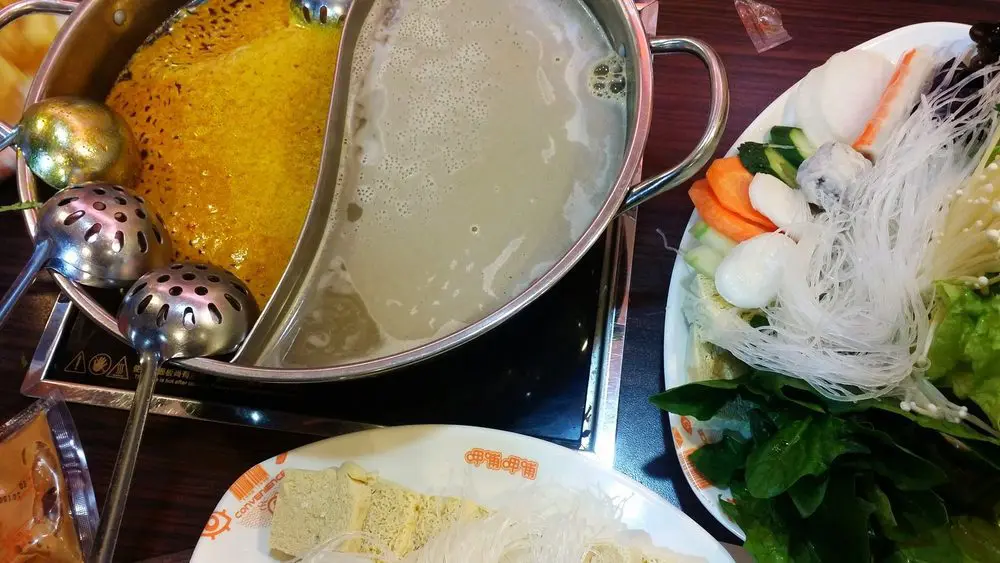
I asked him to take us to experience a truly local meal, and before I knew it, we were driving to a local mall. Just when I thought he had misunderstood my request for "authentic," the doors opened to a culinary world unlike any American food court. Down the escalator, Jack led us to the heartbeat of the building: a traditional Chinese Hot Pot house.
We gathered around a table with a specialized cooking unit built into the center. The server immediately topped the burner with a large pot, divided down the middle to hold two distinct worlds: a vibrant, spicy curry and an earthy, deep mushroom broth. As the steam began to rise, a secondary waiter surrounded us with platters of raw ingredients, each more artistic than the last.
First came the trays of paper-thin, rolled beef—though chicken and seafood were readily available. Then came the "garden": huge platters of cabbage, spinach, and lettuce, alongside thinly sliced yam, cucumber, and radishes. Needle mushrooms and tiny delights like wedges of tofu, raw fish, and crab meatballs waited their turn to be submerged.
The Hot Pot Table Experience
The experience is as much about the process as it is the flavor. Using chopsticks, you dip the ingredients into the boiling broth, watching the beef sear in seconds and the greens wilt into perfect, savory bites. Jack explained that the joy of the Hot Pot is the communal nature of the meal—a slow, rhythmic pace that encourages conversation.
Lastly, we were treated to "oodles of noodles"—hand-crafted varieties made from soy, green beans, and wheat. By the end of the meal, the broths had transformed into a complex reduction of everything we had cooked within them, a final "soup" that captured the essence of the entire afternoon.
From the Memoir to the Kitchen
To bring this memory to your own table, explore the Master Blueprint for our culinary recommendation below.