
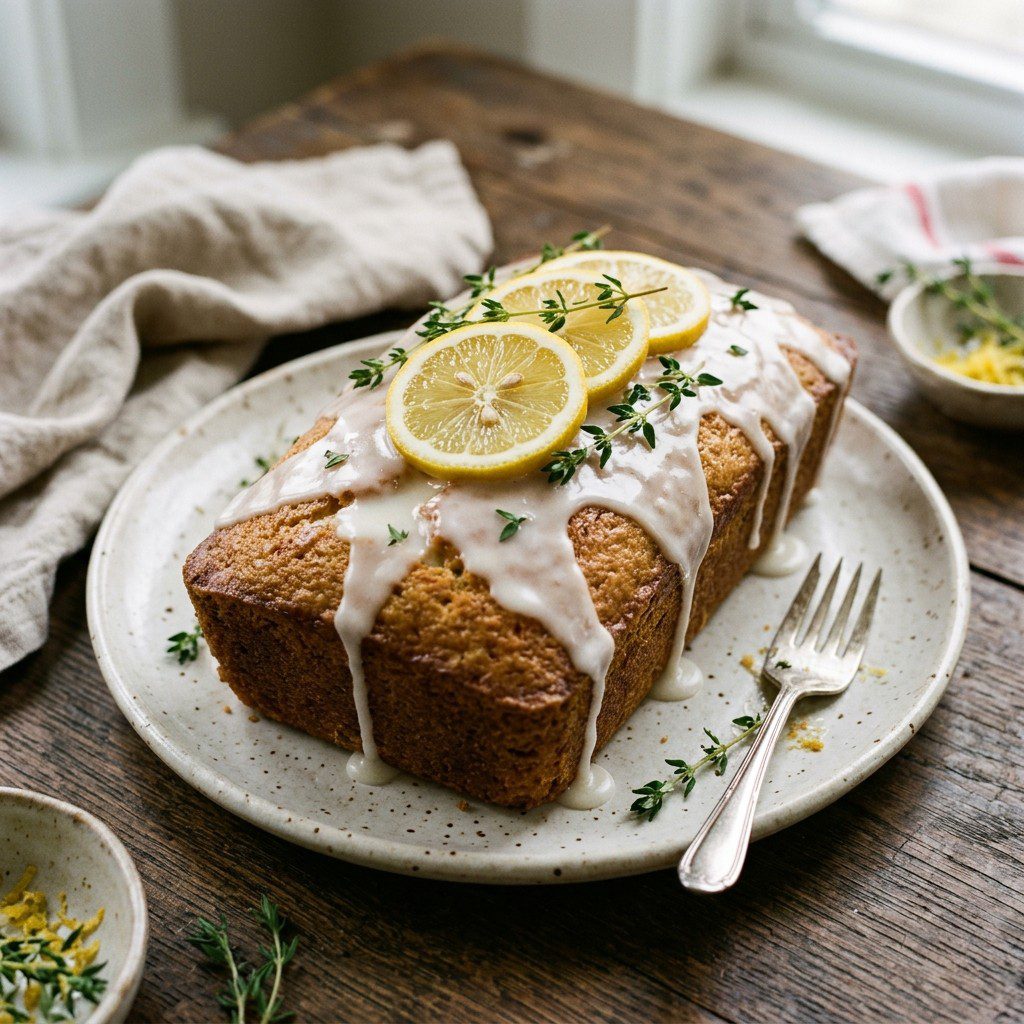
Meyer Lemon Olive Oil Cake
Bake a moist, tender olive oil cake perfumed with floral Meyer lemon and finished with a citrus glaze — a sophisticated, Mediterranean-inspired cake of understated elegance.
An olive oil cake is a study in understated elegance — moist, tender, and subtly rich, with a Mediterranean soul. This one is perfumed with floral Meyer lemon and finished with a bright citrus glaze, so the fruity olive oil and the sweet-tart lemon play off one another beautifully. It is sophisticated without being fussy, the kind of cake that feels equally right at an elegant dinner or a quiet afternoon, and that keeps beautifully for days.
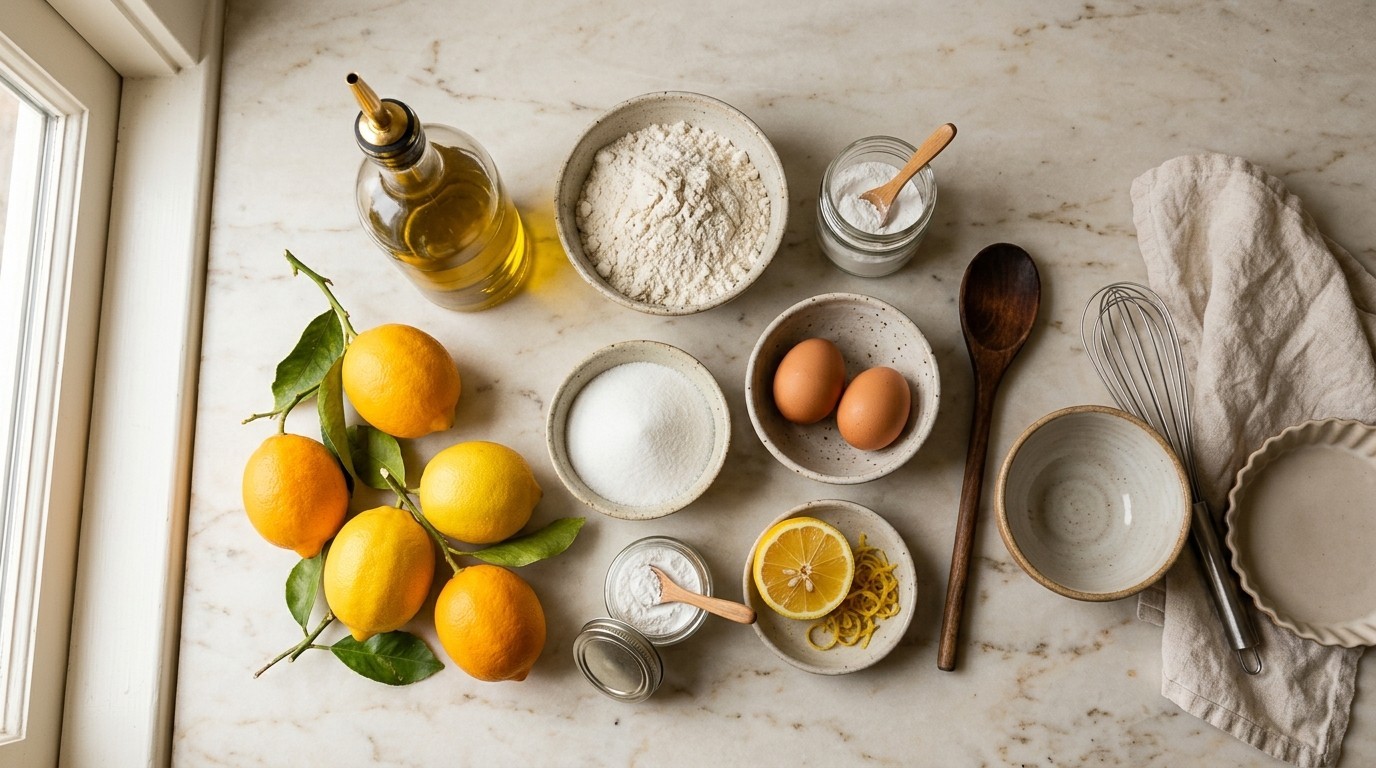
The Olive Oil Crumb
Whisk the olive oil into the batter with the eggs and sugar for a cake that bakes up moist and tender with a subtle, fruity richness. A good olive oil is the heart of this cake, so use one you love to taste — it lends both moisture and a distinctive, sophisticated depth to the crumb.
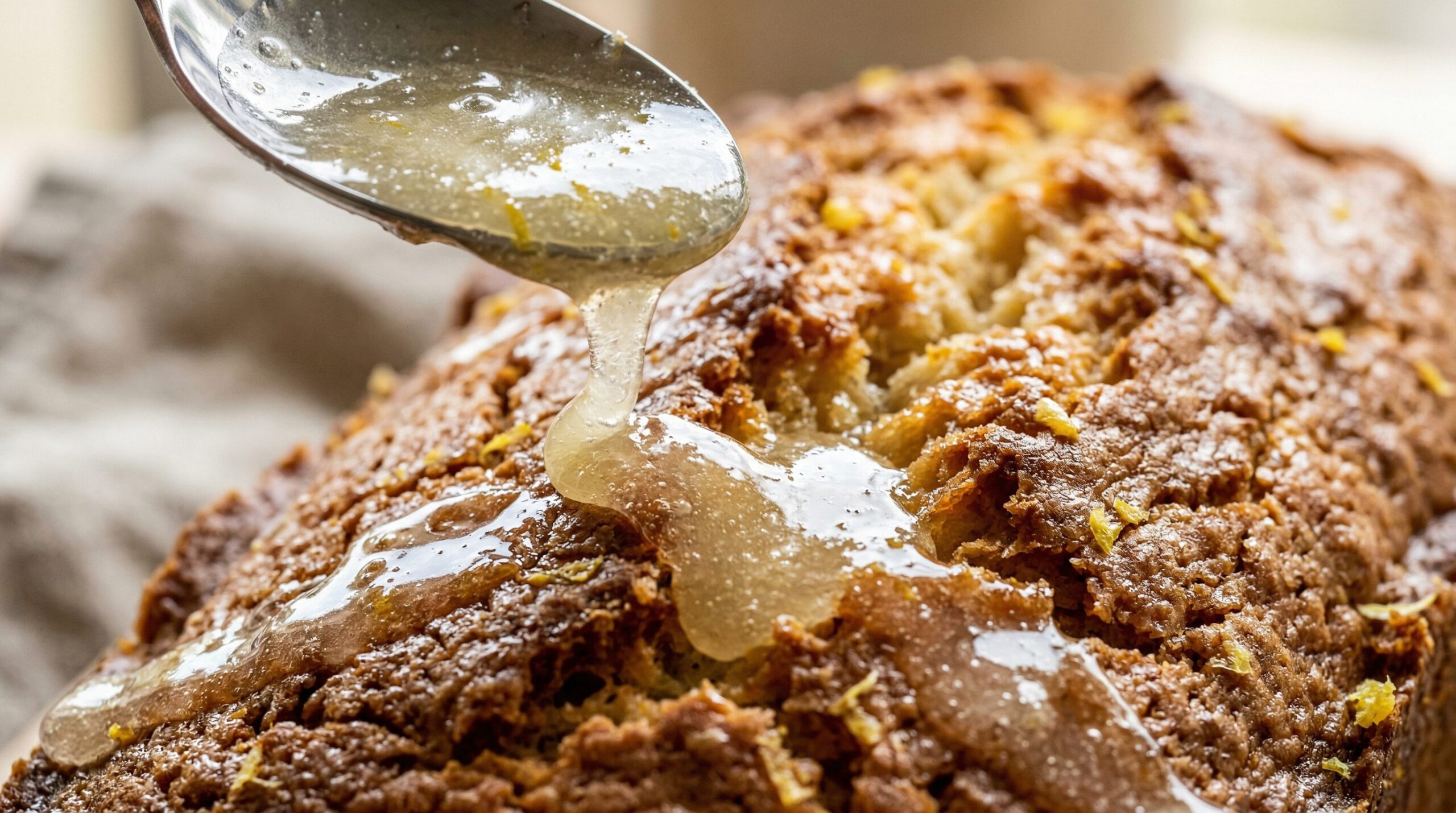
Meyer Lemon and Citrus Glaze
Perfume the batter with floral Meyer lemon zest, and finish the cooled cake with a bright citrus glaze. The Meyer lemon's gentle, floral character is the perfect partner to the fruity olive oil, and the glaze adds a sweet-tart finish that keeps the cake bright and moist for days.
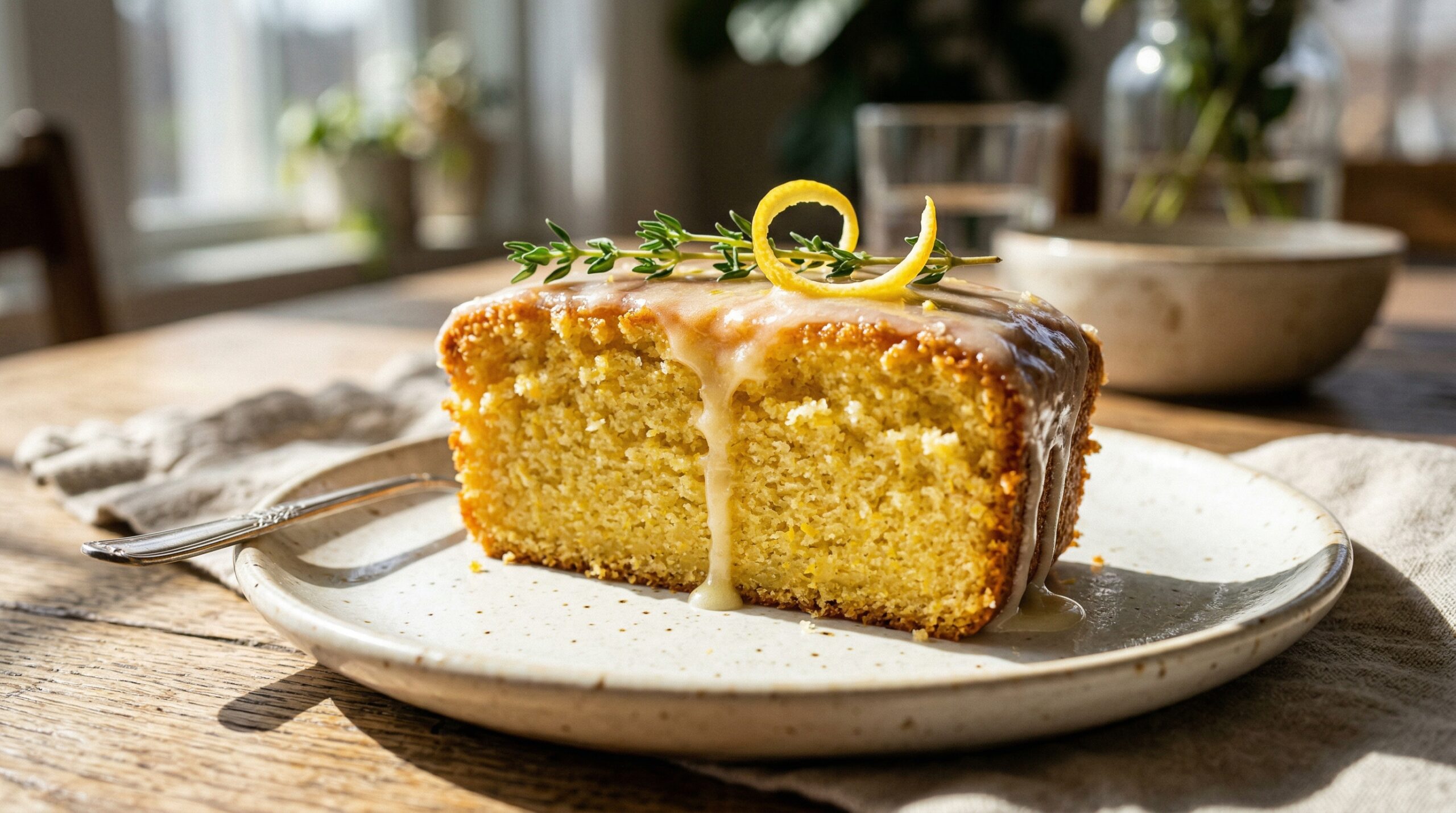
Meyer Lemon Olive Oil Cake
Ingredients
Method
- Preheat the oven to 350°F. Generously coat a 9x5x3-inch metal loaf pan with vegetable oil spray. Line the bottom of the pan precisely with a sheet of parchment paper and spray again to ensure a flawless release.
- In a medium ceramic bowl, vigorously whisk together the all-purpose flour, pastry flour, baking powder, and kosher salt. (The inclusion of pastry flour lowers the overall protein content, yielding a highly tender crumb). Set aside.
- In the bowl of an electric mixer (or using a heavy whisk), vigorously combine the extra virgin olive oil, natural cane sugar, eggs, Meyer lemon juice, lemon zest, chopped fresh thyme, and vanilla extract.
- Beat the mixture on medium-high speed until completely smooth, pale, and thickened.
- Reduce the mixer speed to low. Add exactly one-third of the dry flour mixture to the wet batter, mixing just until incorporated.
- Follow immediately with half of the whole milk.
- Repeat this alternating sequence (flour, milk, finishing with the final third of the flour), mixing strictly until just combined. Do not overwork the gluten.
- Pour the fragrant batter into the prepared loaf pan, smoothing the top with a spatula.
- Bake in the preheated oven until the top is deeply golden brown, cracked, and a wooden tester inserted into the center comes out perfectly clean, about 40 to 50 minutes.
- Allow the cake to cool in the pan for 15 minutes before turning it out onto a wire rack to cool completely.
- While the cake cools, vigorously whisk the confectioners' sugar and the 2 tablespoons of fresh Meyer lemon juice in a small bowl until a smooth, thick, glossy glaze is formed.
- Once the cake has cooled entirely, pour the glaze heavily over the top, allowing it to cascade down the sides. Garnish the platter with fresh lemon slices and whole thyme sprigs before slicing.
The Heart of the Table
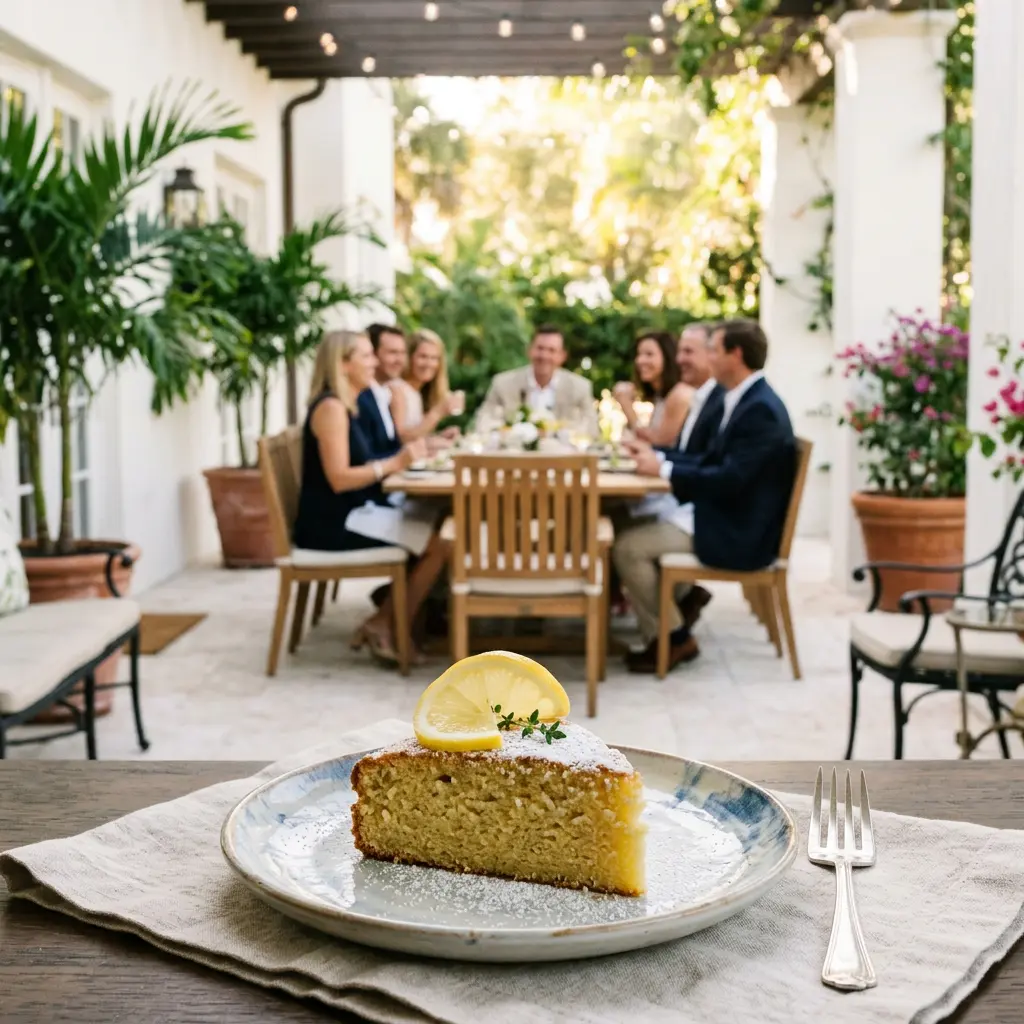
An olive oil cake is a quietly sophisticated thing to share — understated, elegant, and confident enough to need no adornment. There is a gracious hospitality in serving something so refined yet unfussy, the kind of cake that trusts good ingredients and treats your guests to something a little special.
The Art of the Host
Use a good, flavorful olive oil, and glaze the cake once cooled so the finish sets cleanly. It keeps and even improves over a day or two, so it is lovely made ahead — a little citrus zest on top makes an elegant finish.
Neighborly Grace
- The Preparation: This cake keeps beautifully for several days thanks to the olive oil, and the flavor deepens with time. Bake it a day or two ahead and keep it covered; it is one of those rare cakes that is even better the next day.
- The Pour: A glass of Prosecco or a limoncello suits the Mediterranean spirit; for a non-alcoholic pairing, a sparkling water with Meyer lemon keeps the citrus bright and the cake feeling light.
- The Vibe: Serve it in simple slices, perhaps with a few berries or a dusting of sugar, at a dinner or a quiet afternoon. This is refined, Mediterranean-inspired baking — understated and elegant, made to prove that simplicity can be the height of sophistication.